Slow Travel Is Having Its Moment — Here's What It Means and Where People Are Going
Search interest in slow travel is at record highs, and month-long stays are the fastest-growing way to plan a trip. What slow travel means, where it came from, why it's surging, and the destinations built for it.
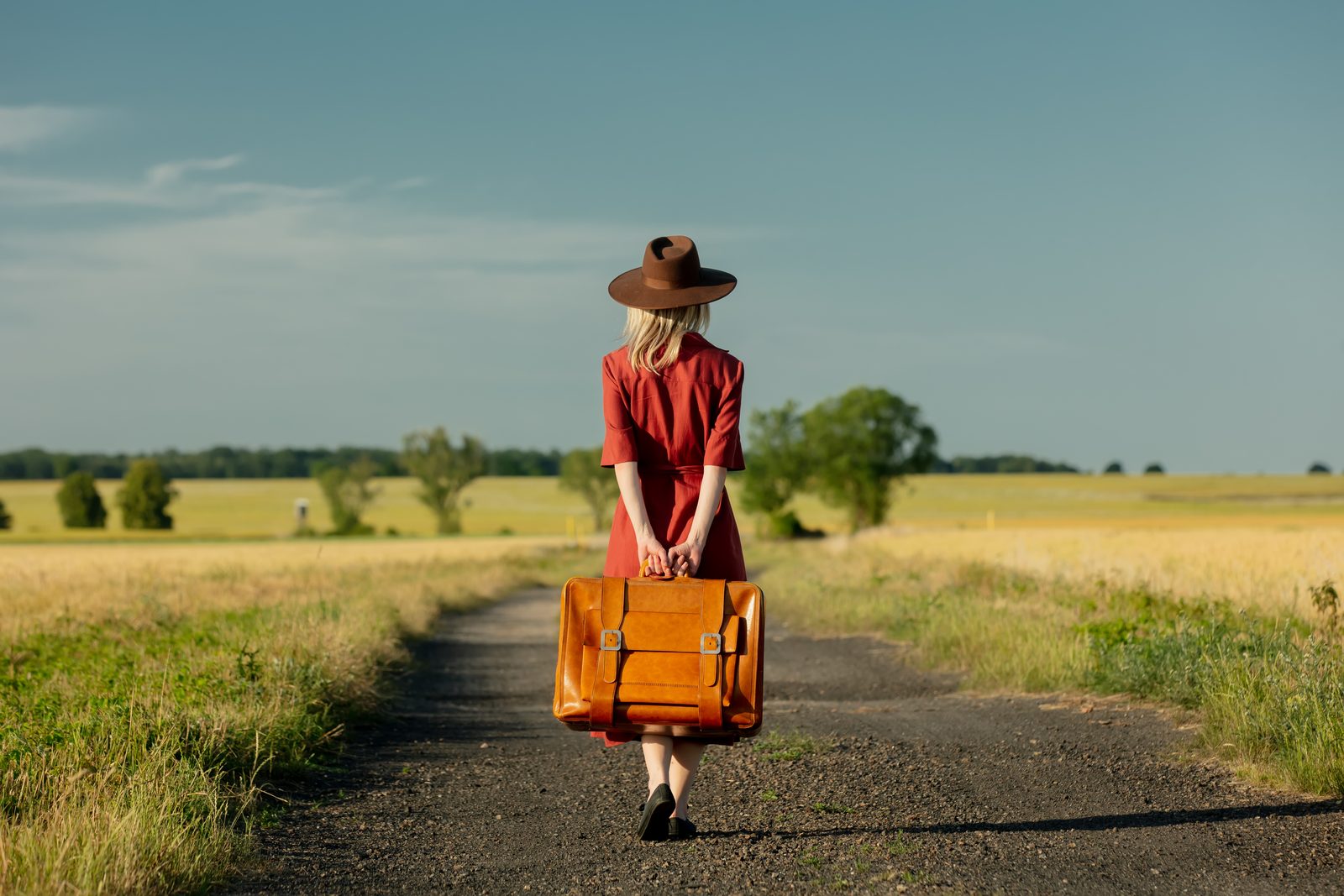
What people mean by “slow travel”
Slow travel is the opposite of the five-cities-in-seven-days trip. You pick one place, stay two weeks to a month or more, rent an apartment instead of a hotel, and build your days around a neighborhood rather than a checklist. You shop at the same market twice, you learn one café, you take day trips instead of packing and repacking.
It is less a set of rules than a change of mindset. A slow traveler measures a trip by depth, not by how many sights they crossed off. The goal is to feel like a temporary local rather than a visitor on a schedule, and that single shift changes almost everything about how a trip is planned and how it feels.
Where the idea came from
Slow travel didn’t appear from nowhere. It grew out of the Slow Food movement, which began in Italy in the 1980s as a protest against fast food and the loss of local food culture. That movement spread into a wider “slow” philosophy applied to work, cities and eventually travel. The through-line is the same: resist the rush, favor quality over quantity, and reconnect with place and people.
For years slow travel stayed a quiet ideal that most people admired but few practiced, because a normal job meant a week or two of leave and a long list of places to see. What changed was not the philosophy. It was the circumstances.
Why it’s surging now
Three things pushed it into the mainstream at once:
- Remote work made it possible. If you can work from anywhere, a month in Lisbon or Oaxaca costs less than staying home and beats a rushed week. Dozens of countries now offer digital-nomad visas built specifically for these longer stays.
- Travelers are burnt out on the checklist. After years of maximizing every trip, more people want to actually rest and absorb a place instead of speed-running it. Overtourism headlines and crowded landmarks have made the fast approach feel less appealing.
- The math works. Monthly apartment rates undercut hotels, you cook some meals, and you stop paying to move every two days. Slow travel is often the cheaper way to see a place well.
The search data reflects the shift. Interest in slow travel has climbed to record highs on Google Trends, and related searches like “month long stay” and “slow travel Italy” have surged alongside it.
Why it matters
Slow travel is more than a nicer way to spend a holiday. It quietly solves several problems at once.
- It’s kinder to the places you visit. Spreading spending across a month, in neighborhood shops and cafés rather than only the tourist core, puts money into local hands and eases the strain that a flood of day-trippers puts on a city.
- It’s lighter on the planet. One longer trip means fewer flights than several short ones, and more time spent walking, cycling and taking trains once you arrive.
- It’s better for you. Travel is supposed to be restorative, yet a packed itinerary often leaves people more tired than when they left. A slower pace is closer to a real reset.
- It gives a truer picture of a place. A week shows you the highlights. A month shows you how a place actually lives, which is the thing most people say they want from travel in the first place.
Where people are actually going
The destinations that reward a long, slow stay share a pattern: they’re walkable, affordable at the neighborhood level, well-connected, and easy to settle into. Our ranking pulls the ones travelers kept extending their stays in.
The short version of the list: Oaxaca, Lisbon, Chiang Mai, Florence and Tuscany, Mexico City, Split, Tbilisi, and Kyoto. Each has the food, the daily rhythm, and the value that turn a week into a month.
See the Best Slow Travel Destinations →
How to do a slow trip well
- Rent by the week or month. The per-night rate drops sharply, and you get a kitchen and a neighborhood.
- Sort your data before you land. A local eSIM keeps maps, translation and rideshare working from the moment you arrive, with no roaming bill for a long stay.
- Check the visa math. Many passports get 30 to 90 days visa-free, and a growing list of countries offer digital-nomad visas for longer stays.
- Go in shoulder season. You get better rates, thinner crowds, and a truer sense of local life.
- Leave room in the plan. The whole point is to not schedule every day. Pick a couple of anchors a week and let the rest happen.
Slow travel isn’t a trend that needs a special budget or a sabbatical. It’s a different way of choosing where to go and how long to stay. If you’re ready to pick a place and settle in, start with the destinations built for it.
Frequently asked
What exactly is slow travel?
Staying longer in fewer places and living at a local pace, instead of ticking off cities in a week. In practice it often means a stay of two weeks to a month or more, a rented apartment rather than a hotel, and days built around a neighborhood instead of a checklist.
Do I need a special visa to stay somewhere for a month?
Often not. Many countries give visa-free or visa-on-arrival stays of 30 to 90 days, and a growing number offer dedicated digital-nomad visas for longer. Always check the current rules for your passport before you book a long stay.
Is slow travel more expensive?
Usually the opposite. Weekly and monthly apartment rates are far lower per night than hotels, you cook some meals, and you spend less on transport between places. A month in the right city can cost less than a fast week in an expensive one.
Is slow travel only for remote workers?
No. Remote work made long stays easier, but retirees, students on breaks, families on sabbatical, and anyone with a couple of weeks off all travel slowly. The mindset matters more than the job.
- Google Trends — search interest in 'slow travel'
- Google Trends search-interest data for 'slow travel', 'slow travel Italy' and 'month long stay'
- Diaries of Travels editorial ranking, Best Slow Travel Destinations
Spotted something out of date? Request a correction.